

Sustainability innovations are redefining PLA Film capabilities, with our proprietary blending technology incorporating agricultural waste fibers to enhance biodegradation rates. Our newly launched marine-degradable PLA composites, produced on 14 dedicated calender lines, break down 90% faster in seawater while maintaining 92% light transmittance – a solution currently trialed by Mediterranean seaf
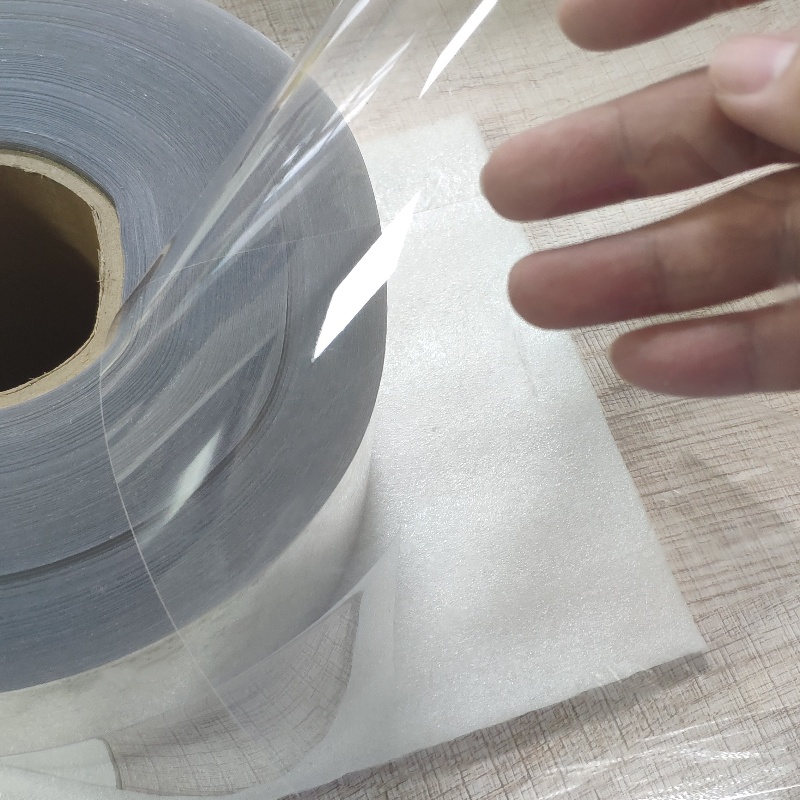
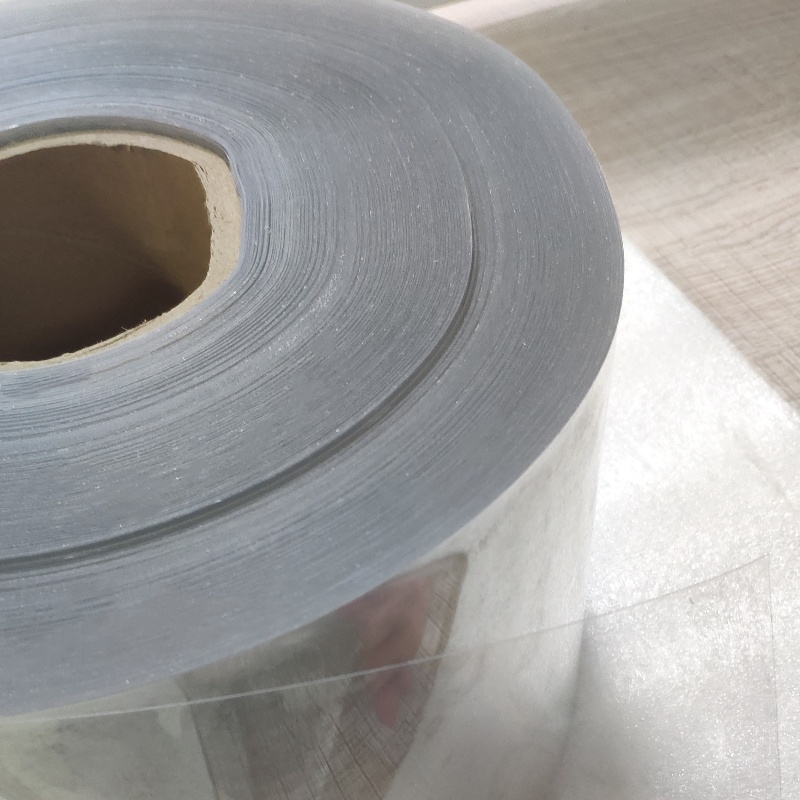
ood exporters. German organic food brands particularly praise our PLA film for pharmaceutical packaging that passes EN 13432 industrial composting certification without compromising moisture barrier properties critical for supplement preservation.
Technological advancements are expanding PLA Film into demanding industrial applications. Our 0.5mm-thick rigid PLA sheets, manufactured using specialized lamination processes detailed on our biodegradable materials page, now withstand -20°C freezer storage – solving brittleness issues for Canadian frozen meal producers. Recent collaborations with Korean electronics firms demonstrate our static-dissipative PLA composites effectively protect sensitive components during shipping, achieving surface resistivity below 10^11 Ω/sq without toxic additives. Client data shows these films decompose completely within 12 months in commercial composting facilities.
Quality assurance remains paramount for PLA Film in food-contact scenarios. Our ISO9001 and SGS-certified production facilities conduct 18-point validations for heat resistance (up to 85°C) and migration safety. A partnership with Australian ready-meal brands confirmed zero delamination after 100+ microwave cycles using our nano-coated food packaging PLA films – outperforming traditional PP alternatives in sustainability and functionality. These innovations position PLA as the leading solution for brands targeting EU Single-Use Plastics Directive compliance.
Customization capabilities are driving PLA Film adoption in premium packaging. Our 10 advanced printing lines produce metallized compostable PLA films with holographic effects, helping a Swiss chocolate brand achieve 35% higher shelf impact while eliminating plastic waste. The PLA vs. PET performance comparison highlights our films’ 4.1N/15mm tear strength – enabling seamless integration with automated blister packaging machines used by Brazilian pharmaceutical clients to boost eco-friendly production.
Future-focused R&D is accelerating PLA Film performance boundaries. Pilot projects with enzyme-embedded smart PLA sheets activate accelerated decomposition post-use, while graphene-enhanced conductive variants are being tested for RFID-enabled freshness monitoring. Our commitment to "people-oriented innovation" drives development of next-gen PLA composites using 40% agricultural waste – aiming to achieve carbon-negative production by 2026 without compromising the clarity and durability that make PLA films indispensable for tomorrow’s circular economy.